

The World of Tabletop Games: A Comprehensive Exploration
Tabletop games have been an integral part of human culture for centuries, serving as a conduit for storytelling, strategy, and social interaction. In today's digital age, these analog games continue to hold their charm, providing a refreshing escape from screens and a unique opportunity for players to engage face-to-face.
The Evolution of Tabletop Games
From ancient games like Senet, played by the pharaohs of Egypt, to contemporary phenomena such as Dungeons & Dragons, the evolution of tabletop games is vast and varied. Early games were often tied to cultural and religious practices, evolving over time into dedicated pastimes that spanned across continents. The 20th century witnessed a resurgence in board games, led by the success of classics like Monopoly, Risk, and Scrabble.
Today, tabletop gaming has transformed into a multi-billion dollar industry with a vast array of genres and styles, catering to every conceivable interest and age group. Game conventions, such as Gen Con and Essen Spiel, attract tens of thousands of dedicated enthusiasts each year, underscoring the enduring appeal of these physical game experiences.
The Diversity of Tabletop Games
At the heart of the tabletop gaming culture lies an incredible diversity of games designed for various tastes and play styles. From strategic wargames that simulate battles on hex maps to cooperative games where players work together to achieve common goals, the variety seems endless. Modern game design continues to push the boundaries of creativity and innovation, introducing new mechanics and themes.
Party games like Codenames and Cards Against Humanity offer laughter and ice-breaking fun, ideal for larger groups. Meanwhile, Eurogames, known for their deep strategy and minimal reliance on luck, include titles like Catan and Carcassonne, attracting those who love calculated decision-making.
The Role of Social Interaction
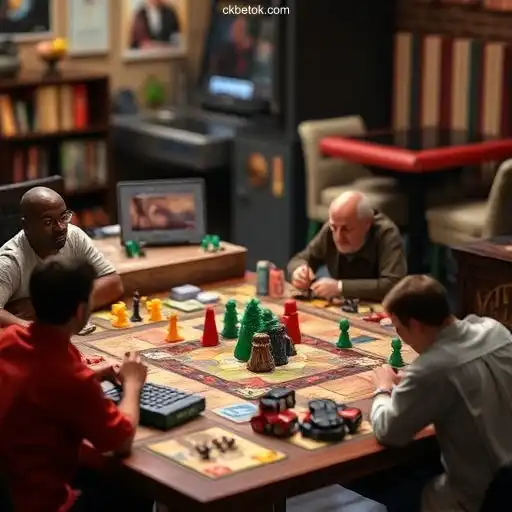
One of the most compelling aspects of tabletop gaming is its inherent social nature. Unlike digital games that may connect players remotely, tabletop games bring individuals together in the same physical space. This fosters not only competition but also camaraderie and friendship, as players read each other's strategies, share jokes, or simply enjoy each other's company.
The rise of the internet and online platforms has even expanded these opportunities, making it possible for players to connect and compete across global boundaries. Still, the tangible aspect of board games—handling pieces, rolling dice, and tracking scores—remains irreplaceable for many enthusiasts.
The Tabletop Renaissance
As technology advances, some might anticipate a decline in traditional gaming forms, yet tabletop games have witnessed a renaissance. This resurgence is attributed to factors like the growing interest in retro pastimes, the desire to unplug from digital life, and the infectious enthusiasm of the gaming community.
The tabletop renaissance has also been fueled by the growth of crowdfunding platforms such as Kickstarter, which allows independent designers to bring innovative game ideas to reality. This democratization of game publishing has resulted in a golden age of creativity, with new titles each year exploring unique themes and mechanics.
Linking Tabletop Gaming to Digital Spaces
Tabletop games and digital platforms have found a symbiotic relationship in the modern age. Digital adaptations of popular board games allow enthusiasts to enjoy their favorite titles remotely, with platforms like BoardGameArena and Tabletopia providing access to a range of games right from their browsers.
This digital crossover is further exemplified by hybrid game experiences, incorporating apps and online components to enhance gameplay. The seamless integration of apps in games like Unlock! and Mansions of Madness add story elements and facilitation without overshadowing the essential tactile experience of tradition.
Conclusion: The Enduring Appeal of Tabletop Games
The classic allure of tabletop games is undeniable, with roots that stretch deeply into human history. Whether a casual gathering, a competitive tournament, or a cooperative narrative experience, these games offer something for everyone. While the gaming landscape evolves, tabletop games retain their place, cherished by players of all ages as enduring symbols of creativity, strategy, and social enjoyment.